
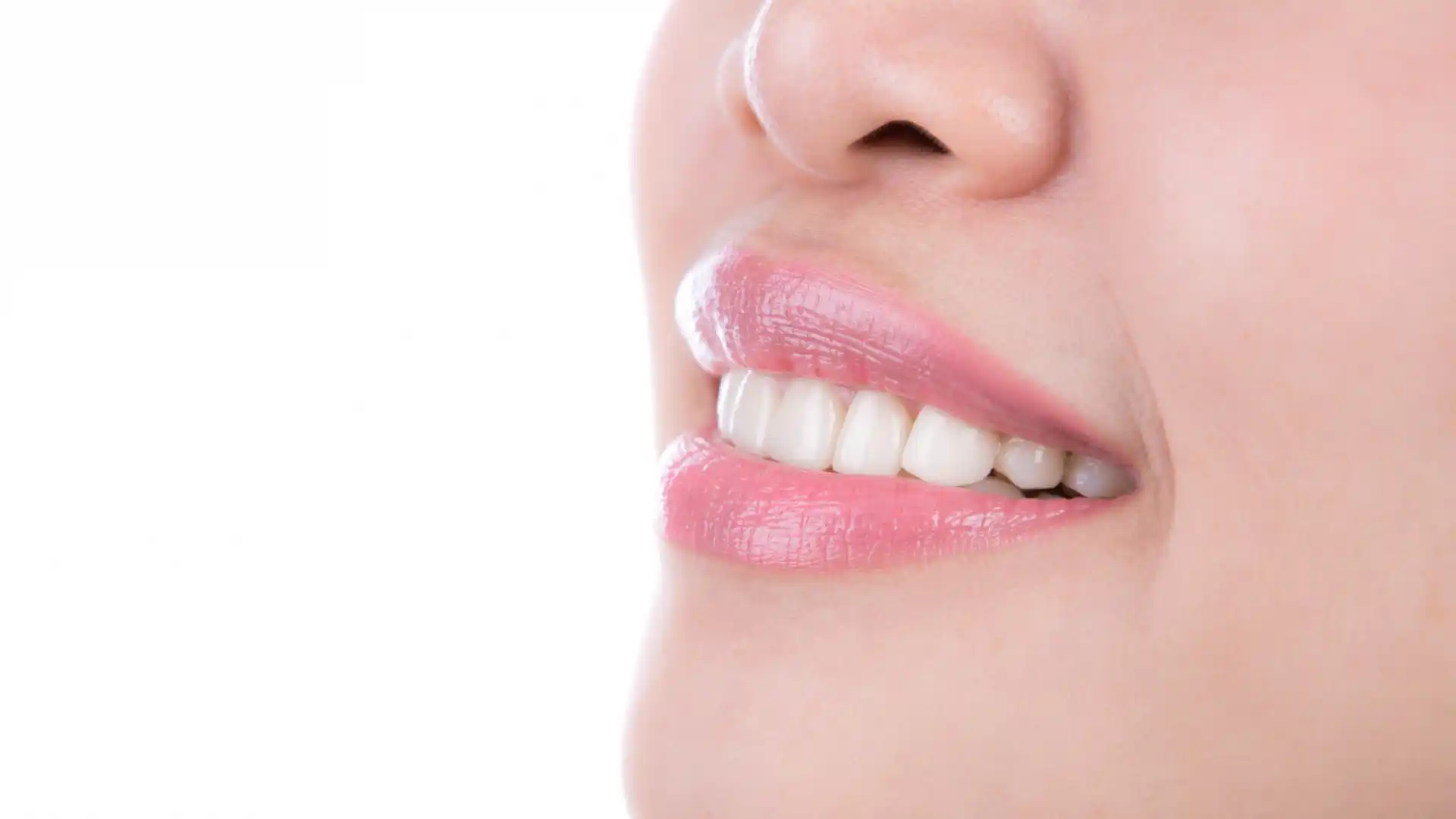
Teeth whitening is one of the most requested cosmetic treatments in Birmingham, but many patients still wonder whether it’s truly safe. If you’re considering brightening your smile, here’s what you need to know before starting treatment.
Teeth whitening is everywhere. From pharmacy shelves to social media ads promising “instant Hollywood results”, it can feel like a simple cosmetic upgrade.
But whitening is still a dental treatment. And like any treatment, it needs to be done properly.
Across Birmingham — whether you’re working near St Paul’s Square or living in Edgbaston or Harborne — patients usually ask the same thing:
“Is it actually safe?”
The honest answer is yes — when supervised by a dentist and carried out on healthy teeth.
Let’s unpack what that really means.
Why Teeth Become Discoloured in the First Place
Before you think about whitening, it helps to understand why teeth darken.
For most adults, it’s a combination of lifestyle and natural ageing.
Coffee, tea and red wine are common culprits. Smoking also causes heavy staining. Even healthy foods like berries and certain spices can contribute over time.
These are called surface stains. They sit on the outer enamel and respond well to whitening.
There’s also deeper discolouration, which can happen due to:
- Ageing
- Trauma to a tooth
- Certain medications
- Thinning enamel
In these cases, whitening may still help — but expectations need to be realistic.
That’s why assessment matters.
The Problem With Online Whitening Kits
The biggest safety issue with whitening doesn’t usually come from the treatment itself — it comes from skipping the dental assessment beforehand.
Before whitening, your dentist should check for:
- Untreated decay
- Gum inflammation
- Cracks in teeth
- Failing fillings
- Exposed root surfaces
Whitening a tooth with decay won’t fix the decay — it may make it more sensitive. Whitening inflamed gums can increase irritation.
Online kits don’t check any of this.
Professional whitening isn’t just about brighter teeth — it’s about making sure your mouth is healthy first.
Does Whitening Damage Enamel?
This is one of the biggest myths.
When done under professional guidance, whitening does not damage enamel.
The whitening gel works by temporarily opening microscopic pores in the enamel to lift staining particles. After treatment, the enamel naturally rehydrates and remineralises.
Problems only tend to occur when:
- Products are overused
- Strong concentrations are used without supervision
- Teeth are already compromised
That’s why personalised instructions matter.
What About Sensitivity?
Some patients do experience temporary sensitivity during whitening. This is more common if:
- You already have mild enamel wear
- You grind your teeth
- You have gum recession
The good news is that sensitivity is usually short-lived and manageable.
Dentists can reduce the risk by:
- Adjusting gel strength
- Shortening wear time
- Recommending desensitising toothpaste
- Spacing out applications
It’s rarely permanent.
How Professional Whitening Actually Works
Most professional whitening systems involve:
- Custom-made trays that fit your teeth precisely
- Dentist-approved whitening gel
- Clear instructions on how long to wear them
- A review appointment
The custom trays are important. They reduce gel contact with the gums and ensure even coverage across your teeth.
This improves both safety and results.

What Whitening Can’t Do
It’s important to manage expectations.
Whitening will not:
If you already have visible restorations, your dentist will discuss how whitening might affect overall balance.
Sometimes whitening is part of a wider cosmetic plan, rather than the whole solution.
How Long Do Results Last?
This depends heavily on lifestyle.
If you drink coffee daily and enjoy red wine at weekends, staining will return gradually. That doesn’t mean whitening has “failed” — it just means maintenance may be needed.
Many patients in central Birmingham opt for occasional top-up treatments to maintain brightness.
Regular hygiene visits also help extend results.
Who Should Avoid Whitening?
Whitening may not be suitable if:
- You have untreated decay
- You have active gum disease
- You are pregnant
- You have severe intrinsic discolouration requiring alternative treatment
A consultation makes sure whitening is appropriate for you.
Is It Worth It?
For many adults, yes.
Teeth whitening is one of the simplest ways to refresh your smile without altering tooth structure.
It’s conservative. It’s controlled. And when done properly, it’s safe.
The key is supervision and realistic expectations.
Final Thoughts
Teeth whitening isn’t dangerous — but it isn’t something to do blindly either.
When professionally assessed and carefully managed, it’s a safe, predictable treatment that can make a noticeable difference to confidence.
Across Birmingham, more patients are choosing whitening as part of a broader approach to maintaining healthy, natural-looking smiles.
As always, the safest approach starts with a proper conversation.
FAQs
Does whitening weaken teeth?
No, not when supervised professionally.
Is sensitivity permanent?
Sensitivity is usually temporary.
Can I whiten crowns or veneers?
No, restorations do not change colour.
How often can whitening be repeated?
Your dentist will advise safe intervals based on your teeth.


